
Execution guide

What a mortgage LOS should do for investor lending teams

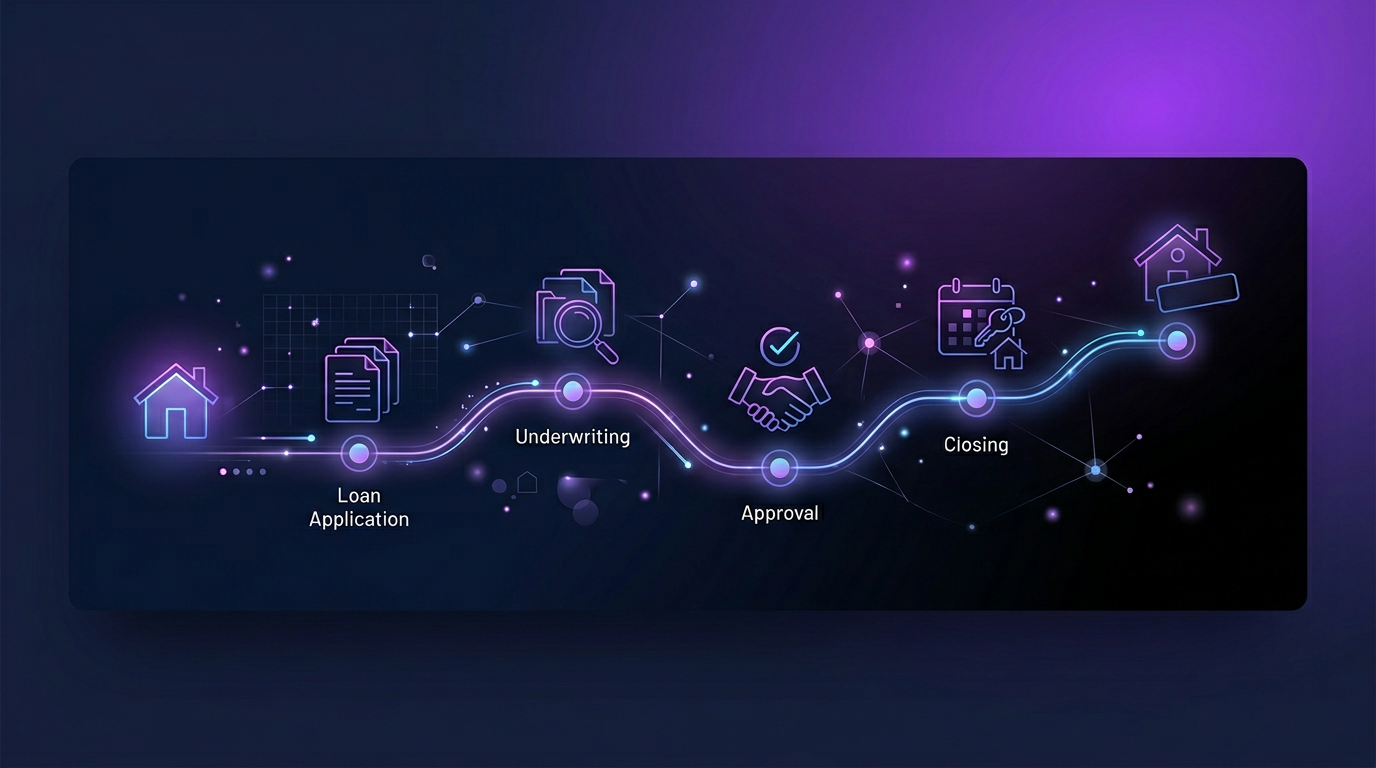
For investor lending teams, an LOS should feel less like a static checklist and more like a control center. It should make it obvious what is happening, what is missing, and what has to move next.

mortgage los for investor lendingUpdated 2026-10-16Software category

What investor teams need from an LOS

The more people involved in a file, the more important it becomes to keep everyone working from the same set of facts. That is where a good LOS earns its value.

  • •Borrower portal access
  • •Outstanding-condition visibility
  • •Document collection and review workflow
  • •Milestone status for the internal team and the borrower

What buyers actually look for

Many buyers do not begin by searching LOS. They search for borrower portals, document collection, underwriting visibility, and better status tracking. Those are the real day-to-day pain points they are trying to solve.

See how Relip handles this end-to-end

From lead generation to screening, pricing, and execution — one platform built for investor lending.

Why execution software changes the borrower experience

A clean execution process does not just help the internal team. It changes the borrower experience too. Fewer missed documents, fewer unclear handoffs, and fewer silent delays usually lead to a stronger borrower relationship.

Where investor files usually stall

Investor loans close on the property and the entity, not on a pay stub, so the documents are different from a retail mortgage. Most delays come from the same few places:

  • •Entity documents for the LLC: formation papers, operating agreement, good standing
  • •The borrower’s track record, when the program prices on experience
  • •Appraisal scheduling, and disagreements over the value
  • •Title and insurance, especially on vacant or under-renovation property
  • •Leases or rent estimates on DSCR loans, and the scope of work and budget on rehab loans

Conditions: what is outstanding and what is in

The single most useful screen in an LOS is the list of conditions: what underwriting still needs, and what has already been submitted. When that list is clear, the broker knows exactly what to chase and the borrower knows exactly what to send.

In Relip, each deal has a documents hub with outstanding conditions, submitted conditions and downloadable templates. Members can send the borrower an upload link, submitted documents get a short AI summary, and missing documents are chased automatically.

Third-party orders inside the file

A lot of time on an investor loan goes to ordering and paying for outside work, then waiting on it. Keeping those orders in the file means nobody has to ask where the appraisal stands.

  • •Appraisal ordering, with a payment link for the borrower
  • •Title and insurance on the same deal page
  • •A valuation-dispute wizard when the appraisal comes in low
  • •An environmental questionnaire for properties that need one
  • •A track-record builder for the borrower’s past deals
  • •Encrypted wiring instructions at closing

Statuses that mean something

A pipeline is only useful if each status tells you who owns the next step. Relip’s LOS uses plain labels: Waiting on information, Waiting on Quote from Underwriting, Quote attached, Quote accepted, Doc collection, In underwriting, Closing docs and Closed won. The pipeline is a table, so you can sort every file by status and see which ones are waiting on you.

How the LOS connects to pricing and the CRM

An LOS works best when the deal arrives already shaped. In Relip, a broker prices the loan in the Loan Pricer, sends a branded term sheet, and submits to underwriting, which creates the deal in the LOS with the scenario attached. The borrower’s history stays in the CRM, and the file has a chat with Relip’s processing team for questions along the way.

Relip is a direct lender that operates 100% wholesale and never competes with brokers. Relip provides the capital, white label, under your brokerage’s name, with full execution on the platform: term sheets, appraisal, credit and title.

What to check before you choose an LOS

A system built for retail mortgages will answer some of these. One built for investor loans should answer all of them.

  • •Can I see outstanding and submitted conditions for every file at a glance?
  • •Can the borrower upload documents without emailing them?
  • •Are appraisal, title and insurance tracked inside the deal?
  • •Does a deal move in from pricing without retyping the borrower’s details?
  • •Who do I talk to when a file has a question, and where does that conversation live?

FAQ

What a Mortgage LOS Should Do for Investor Lending Teams FAQs

Quick answers to common questions about this topic.

For investors

Have a deal in mind?

Tell us about the property and financing scenario, and we will pass it to one mortgage brokerage on the Relip platform, who will contact you about your options.

Speak to a loan officer about your deal

For mortgage professionals

Are you a broker or lender?

Relip helps investment lending teams generate leads, price deals, and move files through execution. See how the platform works for professionals.

See how brokers manage loan execution

Related guides

You may also want to read

loan maturity intelligence

What Loan Maturity Intelligence Means in Practice

Loan maturity intelligence helps brokers identify investors who need to refinance based on real timing data, not cold lists. Here is how it works.

Read related guide →

investor lending crm

What an Investor Lending CRM Should Actually Handle

Video walkthrough: deal-centric vs contact-centric CRM for mortgage teams. Investor lending needs deal tracking, pricing, and document management — not just contacts.

Read related guide →

investment loan pricer

Why an Investment Loan Pricer Changes Deal Velocity

Investors need scenarios, not single quotes. Here is how a loan pricer sizes DSCR and bridge options, estimates cash-to-close, and moves deals faster.

Read related guide →

Watch next

Video walkthroughs

Mortgage CRM for Investor Lending: Deal Tracking Checklist

Mortgage CRM for Investor Lending: Deal Tracking Checklist

Deal-centric vs contact-centric CRM for mortgage brokers. Why investor lending needs deal tracking, pricing, document management, lead source attribution, and follow-up instead of just contact records. Includes a workflow checklist and evaluation questions.

Watch the video →